
Manufacturing Process
The LEIJEX manufacturing process is designed together with the quality control process: from incoming parts to post-delivery feedback, control points follow risk.
The aesthetic device manufacturing process runs through five quality gates, with batch-level traceability from incoming material to release.
Five Process Nodes
- Incoming inspection: verify materials, documents and applicable inspection requirements to establish a reliable input for assembly;
- Process control: checks and records at critical assembly and parameter nodes;
- Full-device testing: functional tests and energy output verification against design;
- Release: review of required documents and records before delivery;
- Post-delivery feedback: field issues feed back into the quality improvement loop, informing design and process.
Testing & Verification Facilities
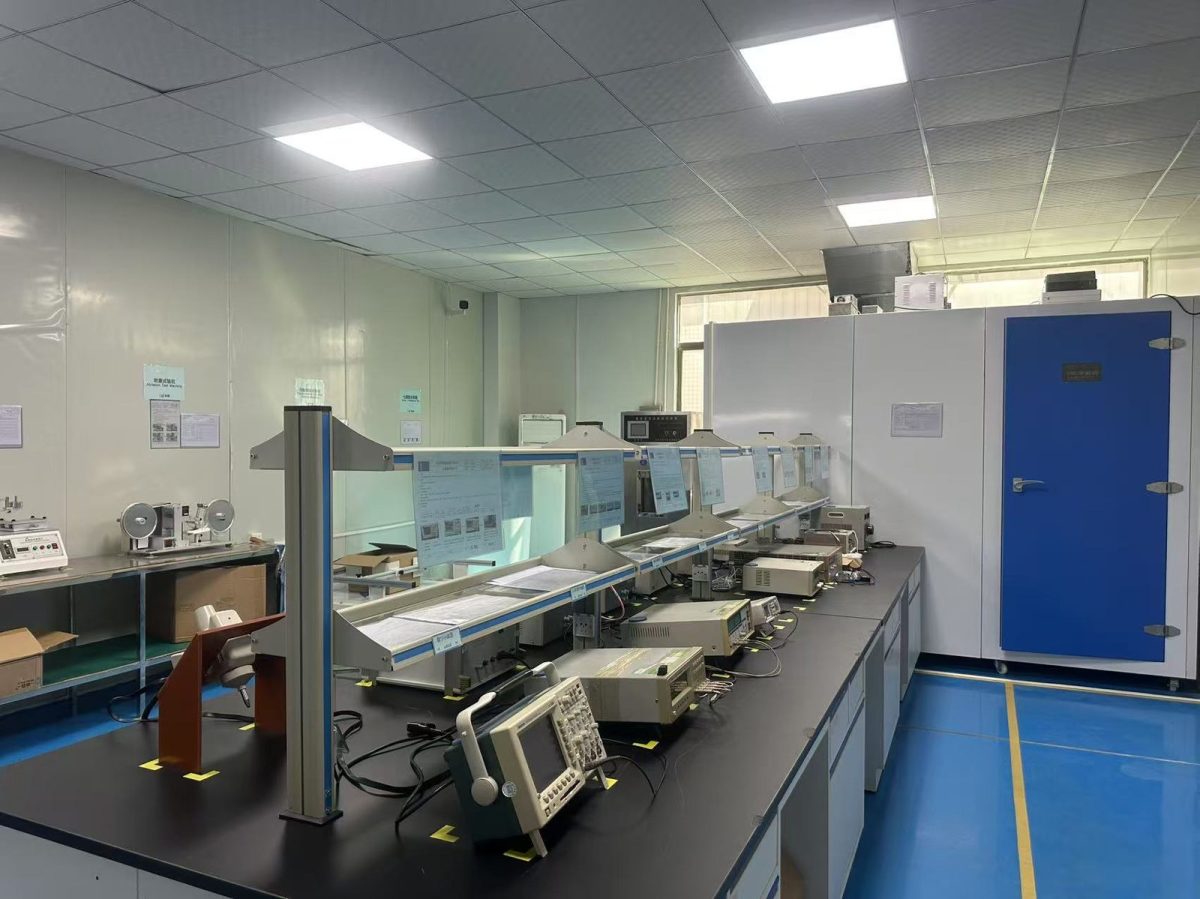
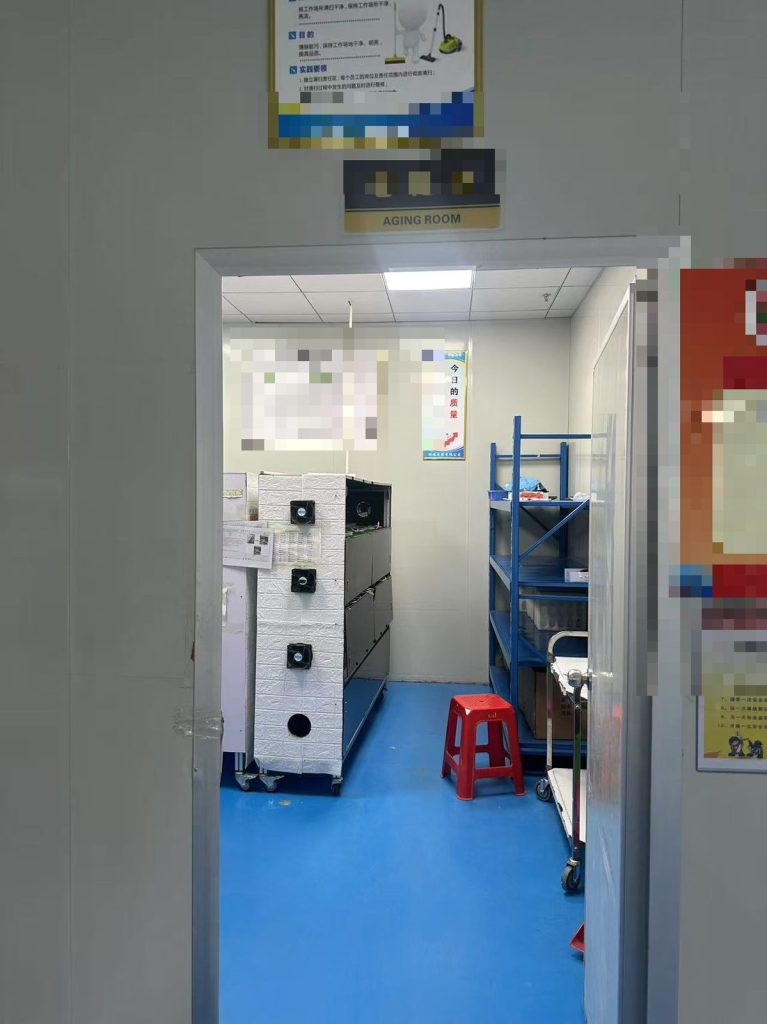
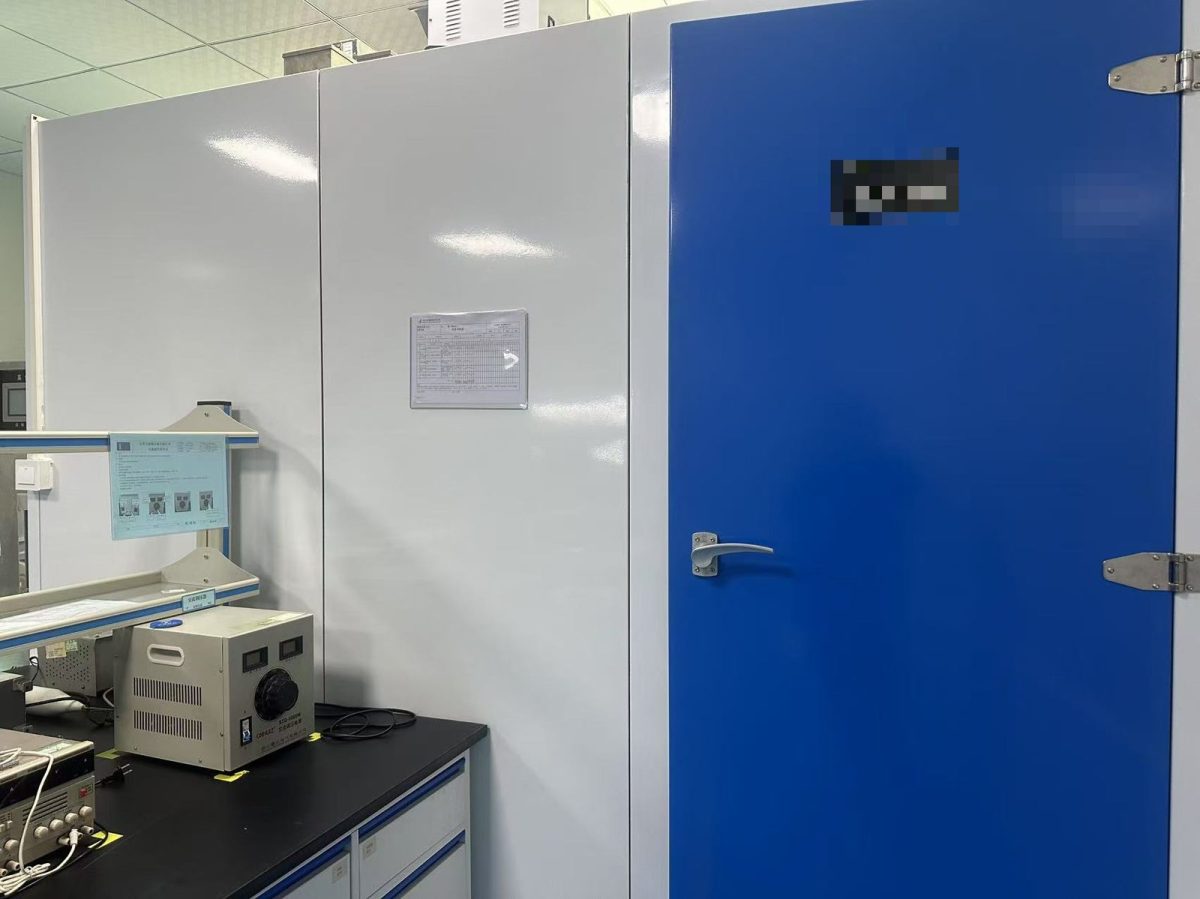
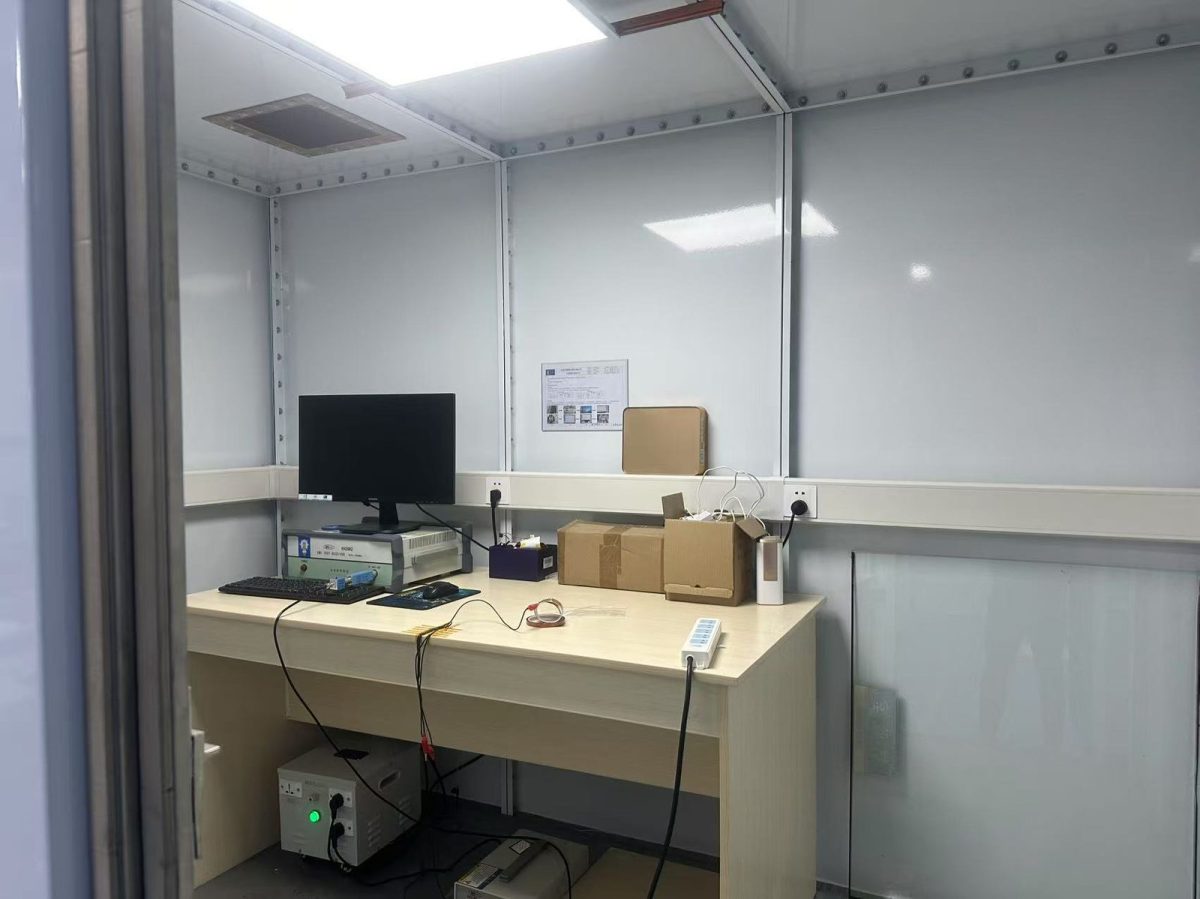
Full-device testing, aging verification and EMC checks are performed in dedicated facilities, with test records archived per batch to support the release node.
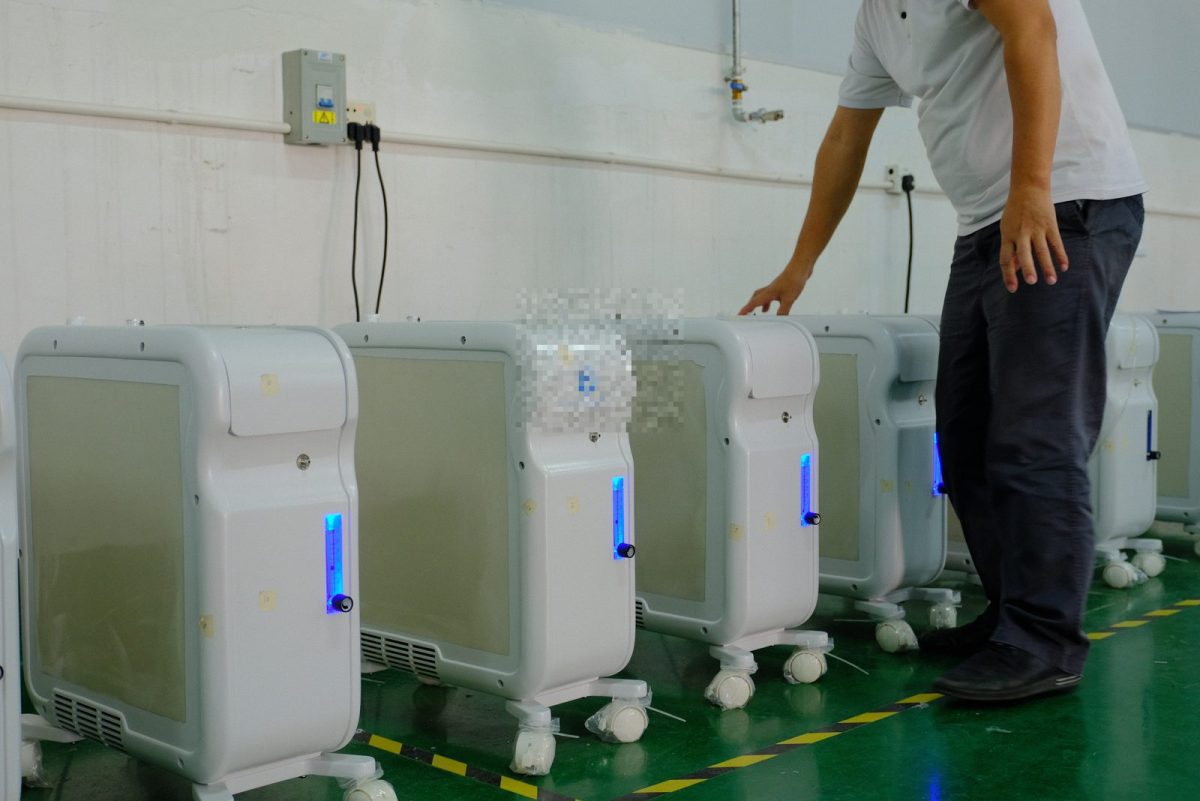
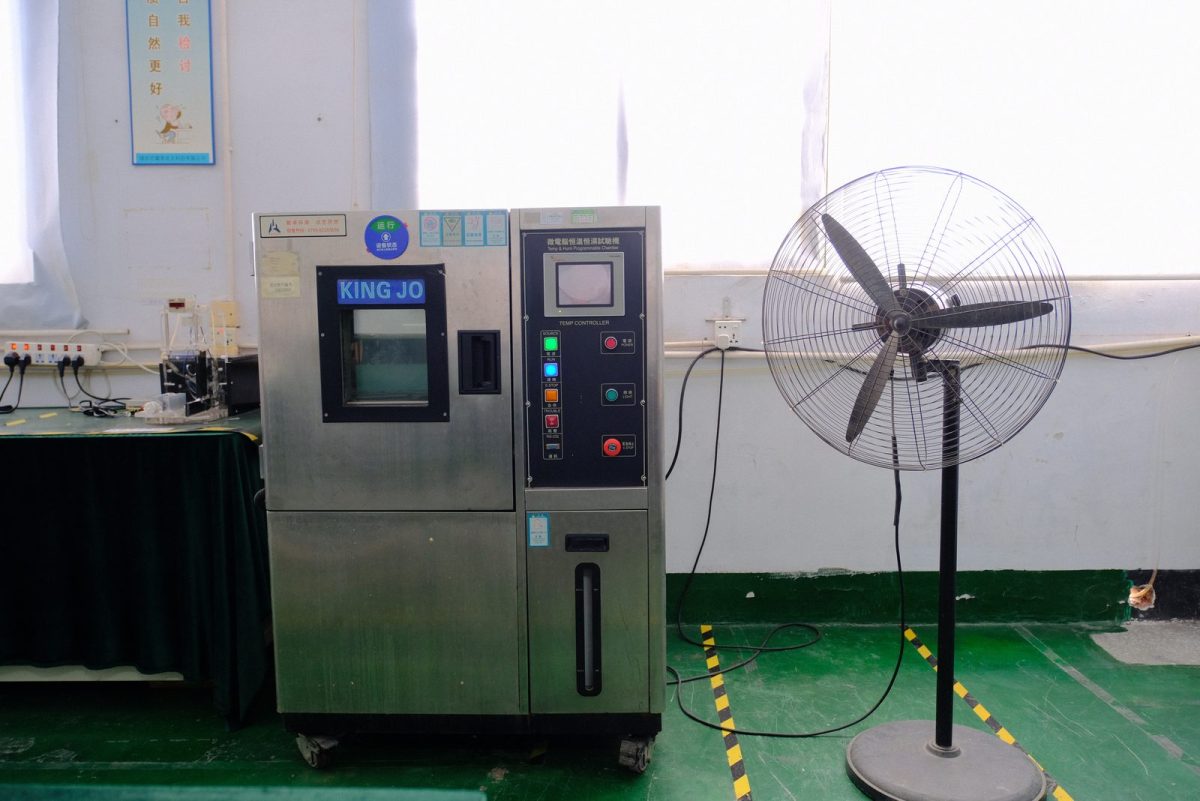
Environmental testing (temperature & humidity) and unit-by-unit pre-shipment inspection support the release decision.
Traceability and the Feedback Loop
Batches, test conditions, deviations and dispositions are fully retained. Traceability makes improvement targeted: problem patterns can be found, and design and process keep improving.
Linking to R&D
The manufacturing process shares the same records and review language as the product development process, closing the loop from production back to design.
Related: Factory · Aesthetic device manufacturing · Quality control process
Frequently asked questions
What are the main manufacturing stages?
The aesthetic device manufacturing process runs from SMT electronics through assembly, aging and calibration to final inspection and packing, with quality gates at each stage.
How long does manufacturing take?
Lead time depends on model and quantity; standard configurations typically ship within weeks. Current lead times are confirmed at order.
How is feedback from the market used?
Post-delivery issues feed the factory improvement loop – corrective actions are traced back to process or design changes.