Picosecond Laser: Photoacoustic Pigment and Tattoo Removal Explained

Picosecond lasers shatter pigment with trillionth-of-a-second pulses and photoacoustic force — less thermal injury for pigment and tattoo work.

\n

MEDICAL AESTHETICS · TECHNICAL GLOSSARY

01

What Is a Picosecond Laser?

A picosecond laser delivers pulses measured in picoseconds (trillionths of a second, 10⁻¹² s). Because the pulse is shorter than the thermal relaxation time of pigment particles, energy shatters the target through a photoacoustic — rather than a purely photothermal — effect, breaking pigment into fragments that macrophages clear away. Classic wavelengths are 1064 nm and 532 nm, with 755 nm available on many platforms. Clinics use it mainly for ephelides, solar lentigines, melasma support and tattoo removal, while long-pulse modes extend it to rejuvenation.
02

How It Works: The Photoacoustic Advantage

Nanosecond Q-switched lasers fragment pigment mostly by heat, which diffuses into surrounding tissue. A picosecond pulse arrives and departs before heat can spread, producing a photoacoustic shockwave that shatters the particle directly — higher hit accuracy with less collateral thermal injury. Using a representative super-picosecond platform (Picostar-class) as an example:

  • Picosecond mode: 350-450 ps pulse width for pigment fragmentation and tattoo removal, with minimal residual heat
  • Three wavelengths: 1064 nm for dermal pigment and darker phototypes, 532 nm for epidermal lesions, 755 nm in between and useful for melanin absorption
  • ULP microsecond long pulse: photomodulation for sensitive-skin repair, acne support and brightening
  • MLP millisecond long pulse: cool epidermis with deep heating for hair removal and tightening; 1064 long pulse bypasses epidermal melanin, making it viable for darker skin

For the underlying framework of absorption, scattering and thermal relaxation, see laser-tissue interaction.

03

Indications and Expected Outcomes

  • Epidermal pigment (freckles, sun spots): visible lightening in 1-3 sessions for most clients; aftercare sun discipline determines recurrence speed
  • Dermal pigment (nevus of Ota, Hori’s naevus): long-cycle management, typically 6-12 sessions — see nevus of Ota
  • Melasma: low-energy, long-interval conservative protocols combined with topicals; expectation management comes first
  • Tattoo removal: wavelength matched to ink colour (1064 nm for black/blue/green, 532 nm for red/orange); multicolour tattoos need more sessions
  • Texture and pores: “honeycomb”-style rejuvenation via ULP/MLP modes

Outcomes track skin phototype closely: for Fitzpatrick III and above, energies and intervals must be conservative — map clients with the Fitzpatrick scale first.

04

Versus Q-Switched and IPL Platforms

Dimension Picosecond Q-Switched (nanosecond) OPT/DPL Photofacial
Pulse width Picoseconds (350-450 ps) Nanoseconds (~5-20 ns) Milliseconds
Mechanism Photoacoustic; minimal heat Photothermal + photoacoustic, more heat diffusion (see Q-switched laser) Photothermal coagulation (see IPL)
Pigment depth Epidermal + dermal; first choice for tattoos Epidermal + dermal, cost-effective Mostly epidermal lesions and texture (see IPL vs picosecond)
PIH risk Lower Moderate; caution in darker skin Low with conservative parameters
Sensation Rubber-band snap, fast Similar, slightly more painful Warm sensation, most comfortable
05

Treatment Flow and Number of Sessions

  1. Assessment: pigment classification (epidermal/dermal/mixed), phototype, treatment and photosensitivity history
  2. Cleansing and cooling: topical anaesthetic when indicated; document with photos
  3. Treatment: wavelength and fluence per indication; full-face freckles take minutes
  4. Aftercare: transient erythema for hours to a day; micro-crusts shed in 3-7 days; strict photoprotection (see post-procedure sun protection)

Reference courses: freckles/lentigines 1-3 sessions at 1-1.5 month intervals; Hori’s naevus 6-8 sessions at 45-60 day intervals; nevus of Ota about 10-12; melasma 5-8 low-fluence sessions with monthly maintenance. Dermal pigment is long-distance management — schedule follow-ups and expectations into the delivery process.

06

Side Effects and Contraindications

  • Common transient reactions: mild erythema, pinpoint crusting, temporary dryness
  • Disclosed risks: post-inflammatory hyperpigmentation (darker phototypes and sun exposure are the main triggers); rare epidermal burns or blistering
  • Tattoo removal may cause hypopigmentation or texture change — disclose beforehand

Contraindications: pregnancy, lactation and menstruation; active infection or open wounds in the area; intense sun exposure or planned sun holidays within about a month; photosensitive disorders or photosensitising medication; malignant or suspicious lesions; poorly controlled systemic disease; thread lifts or fillers less than 3 months old.

07

End-Market Price Ranges

Market Reference range per full-face session Notes
United States / Canada $400-$1,200 PicoSure/PicoWay-class devices anchor pricing
Western Europe €300-€900 Tattoo removal often priced by area
China (Tier 1-2 cities) $110-$700 (¥800-¥5,000) Tiered by full-face/local and mode bundles
Southeast Asia $150-$500 Medical-tourism package pricing common

These are end-market retail references only; prices vary with provider credentials, indication and wavelength mix. They describe market pricing structure, carry no price commitment, and are unrelated to LEIJEX equipment pricing.

LEIJEX BUYER CONTEXT

From technical terms to operating decisions

Use this entry with the relevant device category, safety documentation and service plan.

For clinics and operators

Match technology to intended use, training, workflow and maintenance.

For procurement teams

Verify specifications, records, training and after-sales ownership.

Need help evaluating an aesthetic device platform?

Share your application and market requirements with LEIJEX.

Contact Us

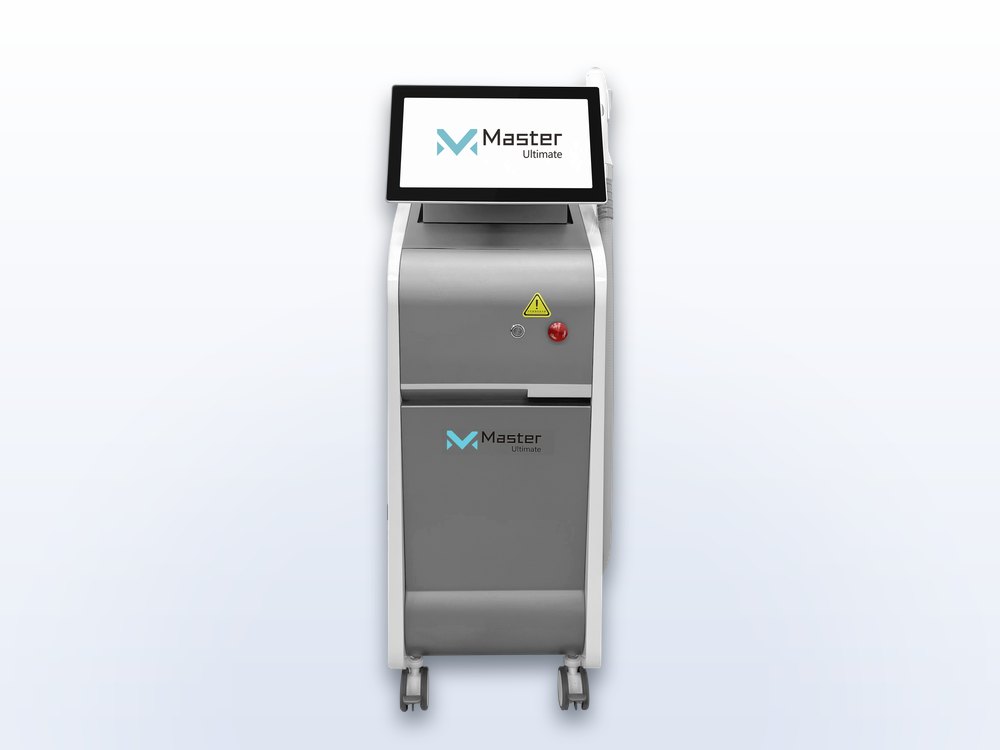
Picostar Picosecond Laser
SYNIXFIELD

Picostar Picosecond Laser

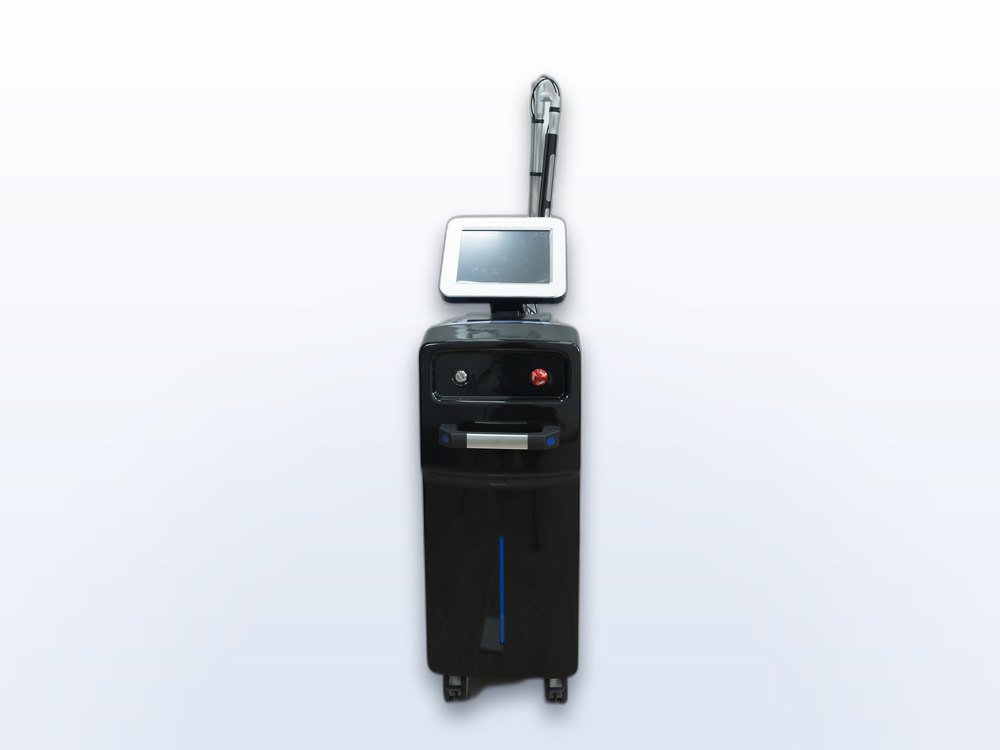
CC Q-Switched Nd:YAG Laser
SYNIXFIELD

CC Q-Switched Nd:YAG Laser

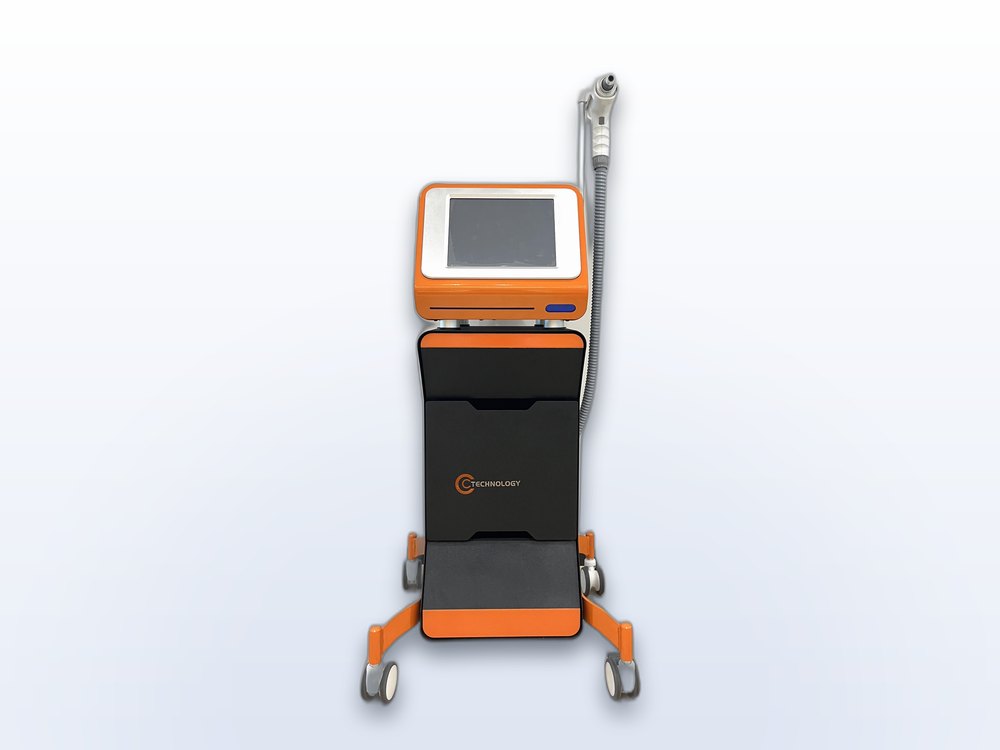
AOMA OPT Super Photon Platform
SYNIXFIELD

AOMA OPT Super Photon Platform

Frequently Asked Questions

Picosecond or Q-switched — which one?

Picosecond pulses are shorter and photoacoustic, with less heat and lower PIH risk — preferred for darker skin and tattoos. Q-switched remains cost-effective for routine lesions on fair skin.

Will it cause rebound pigmentation?

Lower odds than Q-switched, but darker phototypes, sun exposure and over-frequent sessions can still trigger PIH; 4-8 weeks of strict sun discipline is the control lever.

How many sessions for tattoo removal?

Black/grey/blue/green inks respond well to 1064 nm, typically 4-8 sessions; red/orange/yellow use 532 nm; amateur and multicolour tattoos take more, spaced 6-8 weeks.

Is picosecond suitable for melasma?

Melasma is chronic and relapsing: only low-fluence, long-interval protocols combined with topicals and orals; aggressive settings worsen it. Expectation management comes first.

Does it hurt?

A rubber-band snap; full-face freckles take minutes and usually need no anaesthesia; sensitive zones get topical numbing.

What interval between sessions?

Epidermal lesions: 1-1.5 months. Dermal pigment: 45-60 days or longer, letting macrophages clear the fragments before the next round.