
Carboxytherapy: Injected and Transdermal CO2, Two Generations
Two Routes
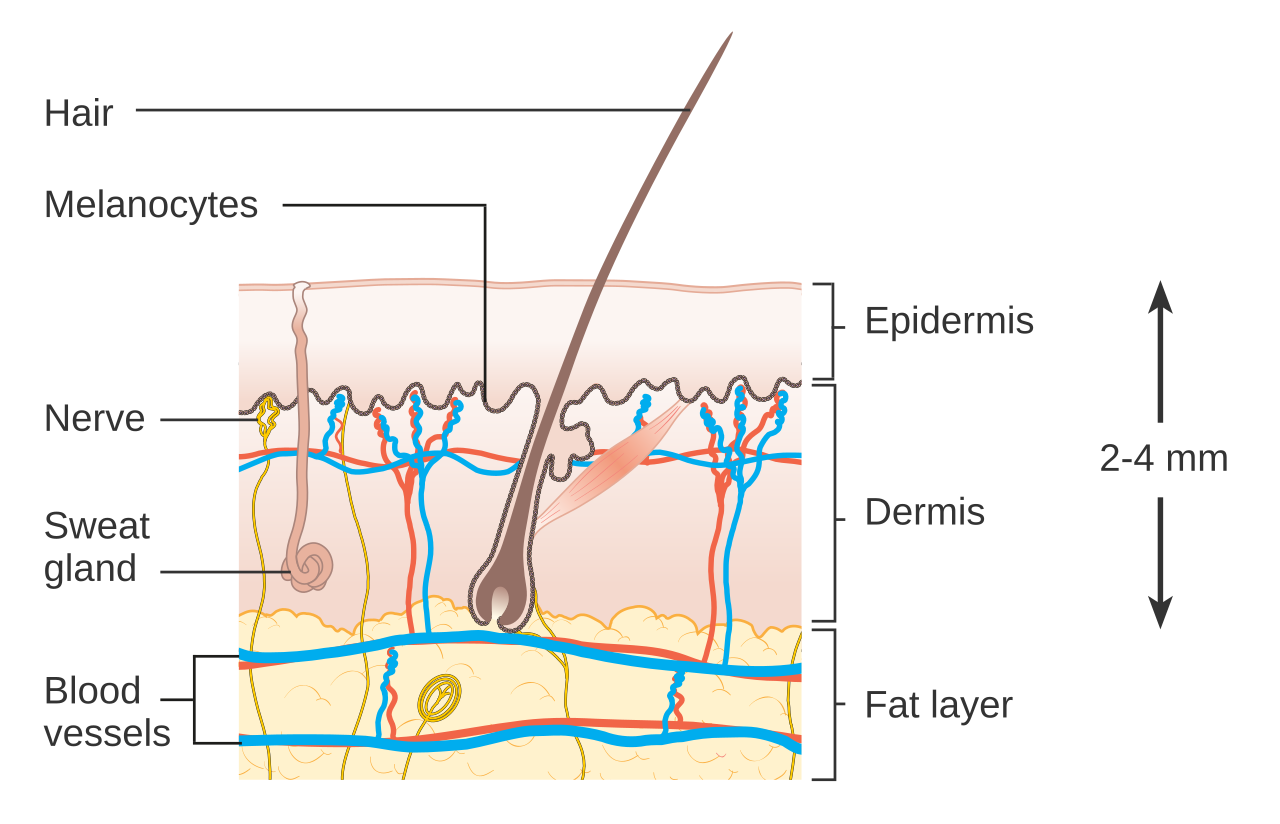
- Injected CO2 therapy: medical-grade CO2 micro-injected subdermally, triggering vasodilation and a hypoxia-reoxygenation response (the Bohr effect shifting oxygen dissociation) — used clinically for circulation and local fat appearance; a medical act.
- Non-invasive carbonated care: CO2 gels/masks delivering transdermal CO2 for mild vasodilation and warmth — the salon-channel “carbonated skincare” form, compliance depending on product class and claims.
The Honest Mechanism
CO2’s physiology (vasodilation, right-shifted oxygen dissociation) is established science; evidence strength in beauty varies by indication — circulation-type experiences are better supported, fat-loss claims weakly. Positioning claims as “circulation care” is the safe lane.
Where They Fit
- Injected: dark circles, local fat appearance (submental adjunct) — medical pathways.
- Non-invasive: facial and scalp circulation care within hair programs (scalp care), body circulation work (circulation management).
Safety and Compliance
- Injected: medical licensing + asepsis; subcutaneous emphysema and transient fullness are common reactions.
- Non-invasive: avoid broken skin; caution with unstable cardiovascular status; verify product registration.
- Claims: never promise fat loss or weight reduction.
FAQ
Does the warmth from carbonated masks mean it works?
The warmth is CO2-driven vasodilation — real mechanism, real sensation; the chain to long-term outcomes varies by product and indication. “Circulation care” is the accurate frame.
Which route to choose?
License and indication decide: medical settings can run injectables as a specialty; salons are limited to non-invasive carbonated product lines.
 Leijex Medical