
OPT/DPL Photofacial: Narrowband Intense Pulsed Light Explained
OPT/DPL photofacials use square-wave, narrowband pulsed light to treat pigment, redness and texture in a single pass.
What Is an OPT/DPL Photofacial?
The photofacial uses intense pulsed light (IPL): broadband light, filtered into working bands, hits pigment, vessels and texture targets in a single pass — the archetype of “one programme, multiple skin concerns.” OPT (Optimal Pulse Technology) and DPL (narrowband pulsed light) are the two key upgrades of IPL: OPT reshapes the output into an even square wave, while DPL narrows the spectrum for precision. In market terminology, “super photon” devices and platform photofacials all belong to this family.
How It Works: From Broadband IPL to OPT Square Waves and DPL
IPL is non-coherent broadband light; interchangeable cutoff filters (560, 590, 640 nm and so on) select the band: melanin-absorbing bands treat pigment and hair, haemoglobin bands treat telangiectasia, and water-absorbing bands heat the dermis for collagen remodelling (basics in IPL). Two upgrades determine efficacy and safety:
- OPT square wave: legacy IPL pulses spike at the front and decay at the end — spikes burn, decay under-treats. OPT flattens the sub-pulses into even, repeatable output. A representative platform (AOMA OPT class) runs 3000 W system power, a ~100 nm narrow spectrum, nine filters (430-750 nm) with a honeycomb lens, and independently adjustable pulse width, delay, spot, fluence and wavelength
- DPL narrowband: the spectrum is cut to the absorption peaks (500-600 nm for redness, 550-650 nm for pigment), raising target efficiency — see DPL narrowband pulsed light
- Epidermal protection: sapphire contact cooling and multi-pulse sequencing keep the epidermis cool while targets heat — central to comfort and safety
Indications and Expected Outcomes
- Epidermal pigment (freckles, sun spots, age spots): visible lightening in 1-3 sessions with micro-crusting (“coffee grounds” response)
- Vascular concerns: facial telangiectasia and flushing fade over 3-6 redness-band sessions
- Texture and pores: overall brightening, smoothness, mild pore reduction
- Acne support: antibacterial and sebum control around the 430 nm band
- Hair reduction: 640 nm filters work as a fair-skin secondary option
The photofacial is a maintenance-class programme: a standard course of 3-5 sessions at 3-4 week intervals, then quarterly upkeep. For deeper dermal pigment, pair with picosecond/Q-switched platforms rather than expecting one device to do everything — see IPL vs picosecond.
Versus Traditional IPL and Picosecond
| Dimension | OPT/DPL Photofacial | Traditional IPL | Picosecond Laser |
|---|---|---|---|
| Spectrum | Narrow/filtered, target-precise | Broad, scattered bands | Single laser wavelength |
| Pulse quality | Square wave, even output (see fluence and spot size) | Spiked and decaying | Picosecond ultrashort pulses |
| Comfort | Light rubber-band snap with sapphire cooling | More heat sensation | Snappier than IPL |
| Downtime | None; micro-crusting at spots for 3-7 days | None | Micro-crusting 3-7 days |
| Positioning | Comprehensive maintenance workhorse (see photorejuvenation) | Entry-level photofacial | Pigment fragmentation (see picosecond laser) |
Treatment Flow and Number of Sessions
- Assessment: phototype (Fitzpatrick scale), lesion mapping and photos; defer after recent sun exposure
- Cleansing and coupling: cold gel unless the platform has integrated cooling
- Treatment: filters and parameters per pass; full face 2-3 passes, 15-30 minutes
- Aftercare: mild erythema for hours; spot crusting sheds in 3-7 days; strict sun protection and moisturising
Rejuvenation courses run 3-5 sessions at 3-4 week intervals; redness protocols 4-6 sessions; then quarterly maintenance. Avoid stacking peels during a course — sequencing guidance in device and skincare timing.
Side Effects and Contraindications
- Common transient reactions: mild erythema and warmth for hours; micro-crusting over treated spots
- Low-probability risks: burns or blistering from excessive parameters; PIH (darker or recently tanned skin); transient acne flare
Contraindications: pregnancy and lactation; photosensitive disorders or medication; intense sun or artificial tanning within about a month; active infection or open wounds in the area; caution with poorly controlled diabetes or cardiac disease; defer after retinoid or peel use with an impaired barrier.
End-Market Price Ranges
| Market | Reference range per full-face session | Notes |
|---|---|---|
| United States / Canada | $200-$600 | “Photofacial” pricing transparent; chains vs med-spas vary |
| Western Europe | €150-€400 | Sold mostly as course cards |
| China (Tier 1-2 cities) | $40-$420 (¥300-¥3,000) | “Super photon” tiered by filter combinations; annual maintenance cards common |
| Southeast Asia | $80-$300 | Package and membership pricing competitive |
These are end-market retail references only; prices vary with provider credentials, filter combinations and course structure. They describe market pricing structure, carry no price commitment, and are unrelated to LEIJEX equipment pricing.
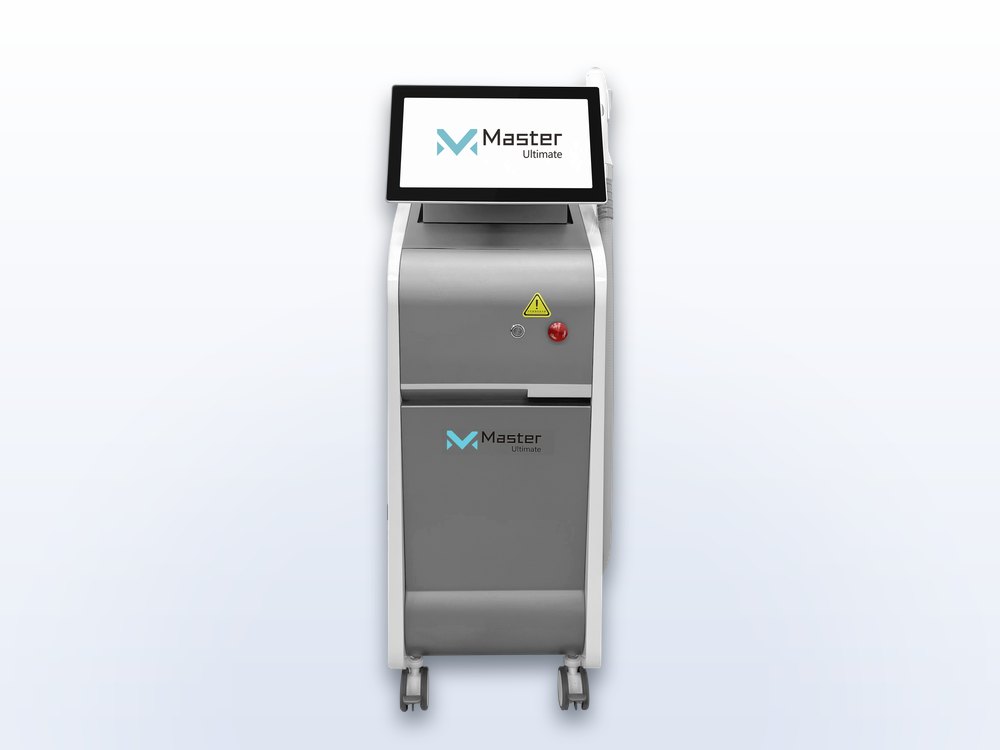
AOMA OPT Super Photon Platform
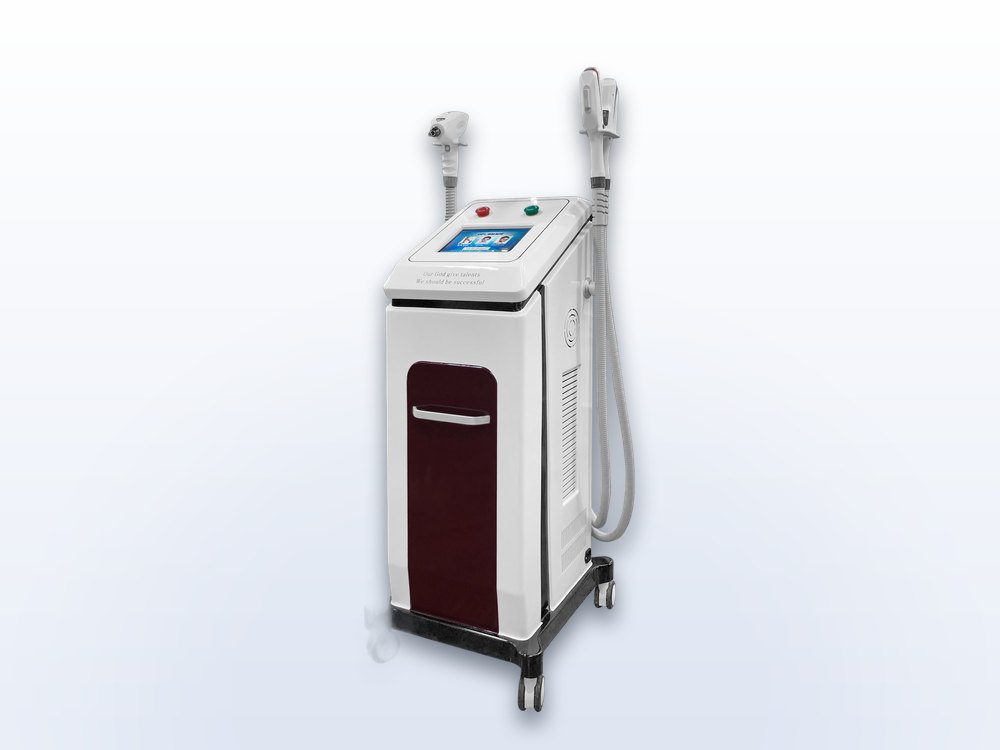
DPL + Nd:YAG Combination Platform
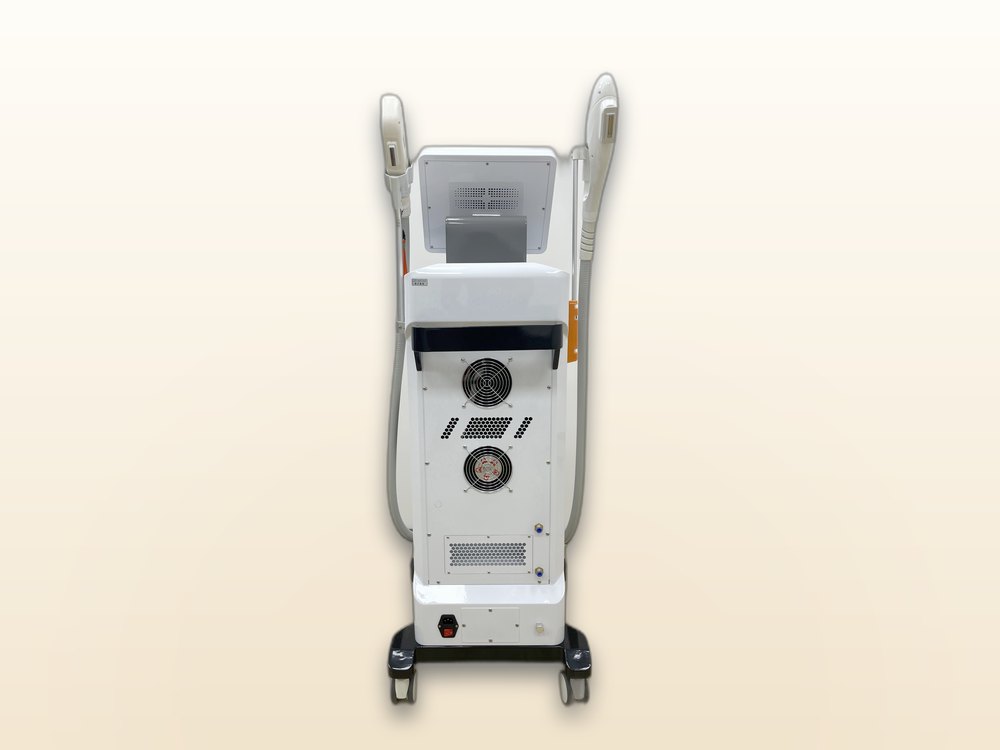
Milk Light DPL + NIR Photofacial
Frequently Asked Questions
How is OPT different from regular IPL?
OPT flattens the pulse into a square wave, removing front spikes and tail decay — safer and more repeatable at equal energy. DPL narrows the spectrum further for efficient redness and pigment work.
How many sessions until it works?
Brightening is visible after one session; the standard course is 3-5 at 3-4 week intervals; redness protocols 4-6; then quarterly maintenance.
Does a photofacial damage the skin?
With proper parameters it is non-invasive and does not harm skin structure; excessive fluence on darker skin risks burns and PIH — phototype assessment matters.
Can it remove spots?
Epidermal lesions (freckles, sun spots) lighten visibly in 1-3 sessions with micro-crusting; dermal pigment and melasma need picosecond/Q-switched or medical support, with IPL for overall tone.
How to split budget between IPL and picosecond?
Overall tone, redness and maintenance: IPL (cheaper, no downtime). Stubborn individual lesions or tattoos: picosecond. Most clinics run an IPL annual card plus spot picosecond boosts.
Is it suitable for sensitive skin?
Stable mild-to-moderate sensitivity can use low-fluence DPL redness bands; acute flare-ups need barrier repair first; defer after sun exposure or peels.