
LED Light Therapy: Photobiomodulation and Post-Procedure Repair Explained
LED therapy uses specific wavelengths to modulate cell function — blue for bacteria, red for repair, yellow for redness — with zero trauma.
What Is LED Light Therapy?
LED light therapy (photobiomodulation) illuminates the skin with specific wavelengths from light-emitting diodes. Photons absorbed by intracellular chromophores — notably mitochondrial cytochrome c oxidase — modulate ATP synthesis, reactive oxygen species and inflammatory signalling, supporting repair, calming and collagen metabolism. It involves no thermal injury: a heat-free “care-class” energy technology that serves as the universal companion to post-procedure recovery and daily salon maintenance.
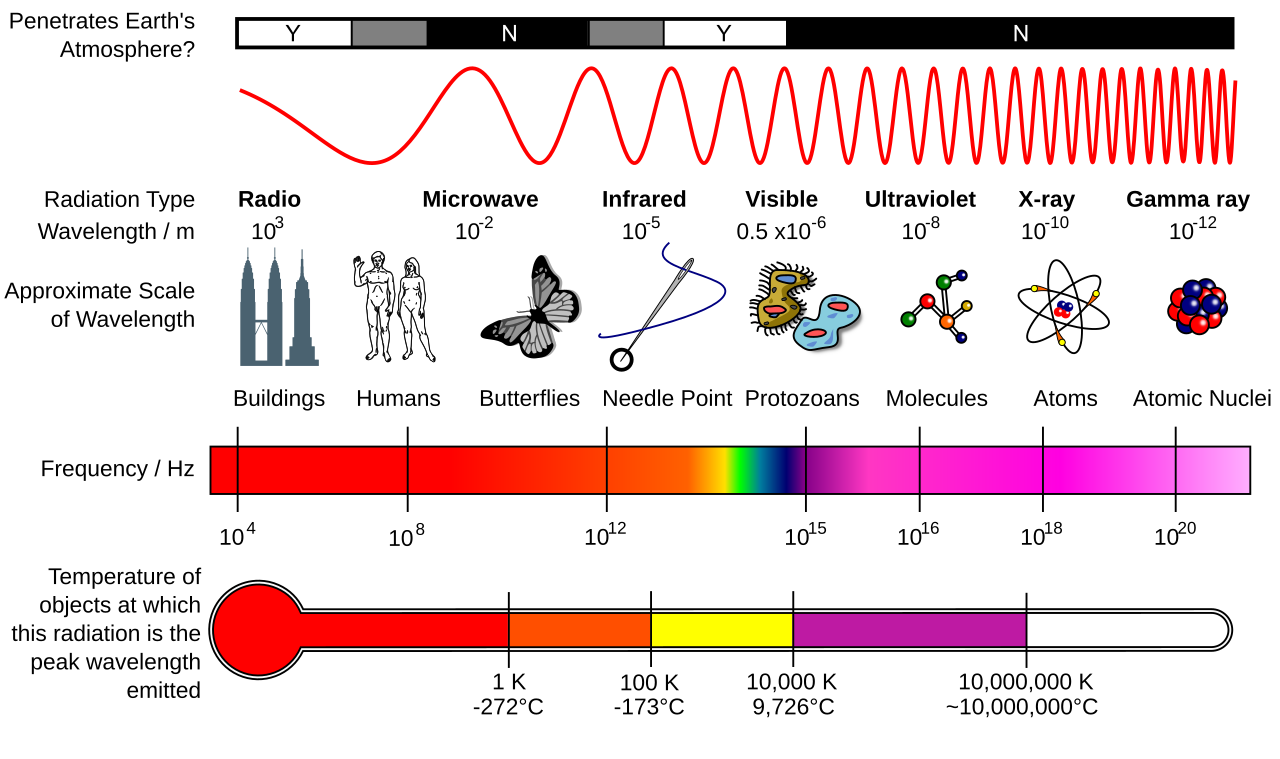
How It Works: Wavelength Selects the Target
Wavelength is the first decision variable — each band has its own penetration depth and chromophore. Using a representative five-band panel (Venus-class) as an example:
- Blue ~415-430 nm: activates porphyrins in Cutibacterium acnes, producing singlet oxygen — surface antibacterial and sebum control (see acne management)
- Green ~520-530 nm: an adjunct band for brightening and post-acne marks
- Yellow ~585-590 nm: calms redness and supports barrier recovery, common after procedures
- Red ~620-660 nm: reaches the dermis, supports fibroblast activity and wound healing — the core repair band
- Near-infrared ~830-880 nm: deepest penetration, deep anti-inflammatory and repair, usually paired with red
Implementation quality matters: constant-voltage drive with rectangular-wave output keeps intensity stable, and mask-style panels cover the whole face in 10-20 minutes. For the difference against heat-based near-infrared treatment, see NIR heating.
Indications and Expected Outcomes
- Post-procedure erythema and wound-support (the standard companion after CO2 fractional or microneedling)
- Acne support: blue for bacteria plus red for inflammation, as part of a drug/device plan
- Gentle upkeep during sensitive-skin and barrier-recovery phases
- Salon-side retention programmes: zero trauma, zero downtime
Set expectations honestly: LED is an adjunct-class technology with the strongest evidence in wound-healing support and mild-to-moderate acne; alone it does little for wrinkles or pigment. Design it as the fixed closing step of a programme rather than a standalone hero — positioning analysis in LED as an adjunct. Typical delivery is 10-20 minutes per session, 2-3 times weekly, in 8-12 session cycles.
Versus Other Optical Technologies
| Dimension | LED | IPL/OPT | Lasers |
|---|---|---|---|
| Light | Monochromatic, non-coherent, low power | Broadband non-coherent, high power | Monochromatic coherent, high power |
| Mechanism | Photobiomodulation, no thermal injury | Photothermal coagulation (see OPT/DPL photofacial) | Vaporisation/fragmentation/coagulation (see laser-tissue interaction) |
| Operator threshold | Lowest; within local scope of practice | Trained operators | Physician or trained operator |
| Downtime | None | None to hours | Days, by type |
| Single-session intensity | Gentle; needs frequent visits | Moderate | High; fewer sessions |
Against injury-repair routes like RF and ultrasound, LED is the zero-injury care route, and the two combine naturally post-procedure; the gap between home devices and professional systems in home vs professional devices.
Treatment Flow and Course Design
- Assessment: skin status and photosensitivity screening; cleanse and remove makeup
- Session: select band combinations (red + near-infrared post-procedure; add blue for acneic skin); 10-20 minutes under the panel with eye shields
- Pairing: apply serums or masks before irradiation on dry skin; moisturise after
- Rhythm: post-procedure — single session or three consecutive days; maintenance — 2-3 sessions weekly for 8-12 weeks, then upkeep frequency
Dosing still follows rules: energy density and session length accumulate, and overuse can dry or sensitise the skin. Follow the device protocol and log skin responses.
Side Effects and Contraindications
- Common transient reactions: dry-eye sensation (wear opaque goggles), mild post-session dryness
- Low-probability risks: erythema flare or itching in photosensitive individuals; warmth discomfort on poorly regulated units
Contraindications: photosensitive disorders (lupus, porphyria) or photosensitising medication; pregnancy (avoid the abdominal area, use caution generally); open wounds without medical clearance; recent photosensitising drugs (some antibiotics, isotretinoin); seizure history — avoid flicker modes; skin malignancies per physician judgement.
End-Market Price Ranges
| Market | Reference range per session | Notes |
|---|---|---|
| United States / Canada | $25-$150 | Commonly priced as a programme add-on |
| Western Europe | €20-€100 | Mainstream in beauty-salon channels |
| China (Tier 1-2 cities) | $11-$70 (¥80-¥500) | Membership packages; often bundled free post-procedure |
| Southeast Asia | $10-$60 | High-frequency, low-price traffic programmes |
These are end-market retail references only; prices vary with provider type and programme bundling. They describe market pricing structure, carry no price commitment, and are unrelated to LEIJEX equipment pricing.
 Leijex Medical