
Gold RF Microneedling: Collagen Remodelling and Scar Repair Explained
Gold RF microneedling delivers RF energy from insulated gold-plated needle tips straight into the dermis, remodelling collagen for scars, pores and firmness.
What Is Gold RF Microneedling?
Gold RF microneedling combines an insulated micro-needle array with fractional radiofrequency: gold-plated needles penetrate to a set dermal depth and RF energy is released only from the exposed needle tips, creating a lattice of thermal zones inside the dermis that stimulates collagen and elastin remodelling. The gold plating gives the needles both their colour and high biocompatibility. It has become a workhorse for acne-scar, pore and anti-ageing programmes in clinics worldwide.
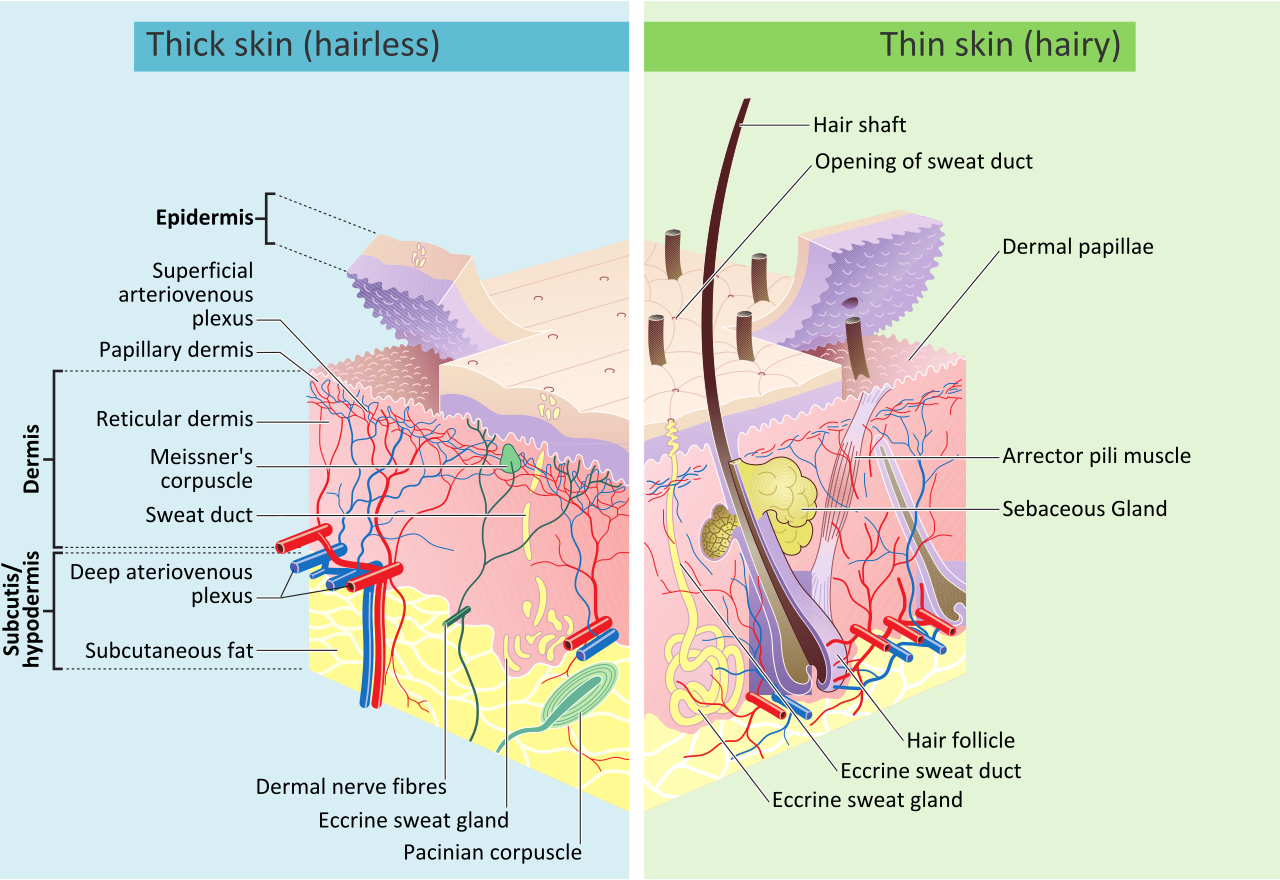
How It Works: Delivering RF Energy into the Dermis
Unlike external (transcutaneous) RF, microneedling RF bypasses the impedance of the epidermis and places the heat exactly where it is needed. Typical device configuration:
- Insulated needles: about 1.5 mm long, 0.22 mm shaft, 0.1 mm tip; only the 0.3-0.5 mm tip segment emits energy while the insulated shaft protects the epidermis — minimal crusting and low pigmentation risk.
- Vacuum-assisted stamping: suction stabilises the skin before needle deployment, improving depth consistency and reducing pain and bleeding.
- Fractional heating: RF creates millimetre-scale coagulation zones around each tip while untreated tissue accelerates healing — the same logic as fractional photothermolysis.
- Depth and modes: adjustable depth of 0.5-3.0 mm by area (0.5-1.0 mm forehead/eyes, 1.0-1.5 mm face, 1.5-2.0 mm scars), with monopolar/bipolar modes and multi-level energy for zones from periorbital corners to large body areas.
Indications and Expected Outcomes
- Atrophic acne scars — one of the best-evidenced indications; map against scar morphology first (see atrophic acne scars)
- Enlarged pores and oily skin
- Wrinkles and laxity: crow’s feet, forehead lines, nasolabial folds, neck lines
- Softening of striae (position expectations as reduction, not removal — see stretch marks)
- Adjunctive control of active acne
Results are progressive: most clients see texture and scar improvement from 4-6 weeks, building over 3-6 months as collagen remodels. Improvement is visible after one session and larger after a proper course; treat any “one-session resurfacing” promise with caution.
Versus Fractional Lasers
Three tool routes compete in the scar-and-pore space; clinics choose by scar type and downtime tolerance:
| Dimension | Gold RF Microneedling | CO2 Fractional Laser | Non-Ablative Fractional |
|---|---|---|---|
| Energy path | Needle tips deliver RF inside the dermis, bypassing epidermis | Epidermal vaporisation then dermal heating (see CO2 fractional laser) | Epidermis intact; coagulation within dermis (see ablative vs non-ablative) |
| Epidermal injury | Pinpoint marks, essentially no crusting | Micro-crusts for 3-7 days | None; mild erythema |
| Downtime | 1-3 days of redness | 5-7 days | Essentially none |
| PIH risk | Low (favourable for darker skin types) | Moderate; caution in darker phototypes | Low |
| Best fit | Scars + pores + active acne, tightening | Moderate-severe scars, photodamage | Mild-moderate texture, periorbital (e.g. 1470 nm platforms) |
Treatment Flow and Number of Sessions
- Assessment: scar typing and skin evaluation; topical anaesthetic for 30-60 minutes.
- Treatment: tip selection and depth per zone; full face about 15-20 minutes.
- Aftercare: mild redness for 1-3 days; cleanse after 24 hours; moisturise and protect from sun strictly (see post-procedure sun protection).
The standard course is 3-4 sessions about one month apart (respecting minimum 10-day intervals for the same area); improvement continues for 1-6 months after the final session. Scar rebuilding is usually managed on a 12-18 month cycle — see scar typing and strategy.
Side Effects and Contraindications
- Common transient reactions: heat-prickling during treatment, 1-3 days of redness, occasional pinpoint bruising
- Low-probability risks: scratches or hot spots from poor technique; infection or PIH with poor aftercare
- As with all minimally invasive treatments, strict asepsis and single-use needle management are mandatory (see infection prevention)
Contraindications: isotretinoin or ablative peels within 6 months; active herpes, broken skin or infection in the area; malignant or suspicious skin lesions; pacemakers/defibrillators/metal implants; bleeding disorders or anticoagulant therapy; pregnancy, lactation and menstruation; keloid tendency and poorly controlled diabetes; imminent intense sun exposure.
End-Market Price Ranges
| Market | Reference range per full-face session | Notes |
|---|---|---|
| United States / Canada | $600-$1,800 | Morpheus8-class devices anchor the market |
| Western Europe | €500-€1,500 | Medical-grade clinics price above average |
| China (Tier 1-2 cities) | $200-$850 (¥1,500-¥6,000) | Often priced per tip; course cards common for scars |
| Southeast Asia | $300-$900 | Medical-tourism packages frequent |
These are end-market retail references only; prices vary with provider credentials, tip consumables and protocols. They describe market pricing structure, carry no price commitment, and are unrelated to LEIJEX equipment pricing.
 Leijex Medical