
HIFU: The Non-Surgical Lifting Technology Explained
HIFU focuses ultrasound onto the SMAS to create 60-70°C coagulation points, lifting and tightening the face without surgery.
What Is HIFU?
HIFU (High-Intensity Focused Ultrasound) is an energy-based technology that converges multiple ultrasound beams onto a single focal point beneath the skin. At the focal point the acoustic energy superimposes, raising local tissue temperature to 60-70°C and creating microscopic thermal coagulation points (TCPs), while the beam path and the skin surface remain essentially unharmed. Often marketed as an “ultrasound facelift,” it reaches the deepest layers of any non-invasive tightening technology.
Commercial names such as 7D, 9D or 12D all describe combinations of focused ultrasound with multiple cartridge depths; what matters for procurement is focal accuracy, transducer quality and output stability, as we explain in our breakdown of 7D/9D/12D marketing terms.
How It Works: Focused Ultrasound on the SMAS Layer
The working principle resembles a magnifying glass focusing sunlight: a concave transducer emits a divergent acoustic beam that converges at a millimetre-scale focal point. The device places these points in a grid pattern across the treatment area.
- Focused transducer: a concave piezoelectric ceramic converts electricity into a converging sound beam; transducer quality determines focal precision (see how piezoelectric transducers work).
- Thermal coagulation point: focal temperatures of 60-70°C cause immediate collagen contraction and trigger subsequent neocollagenesis.
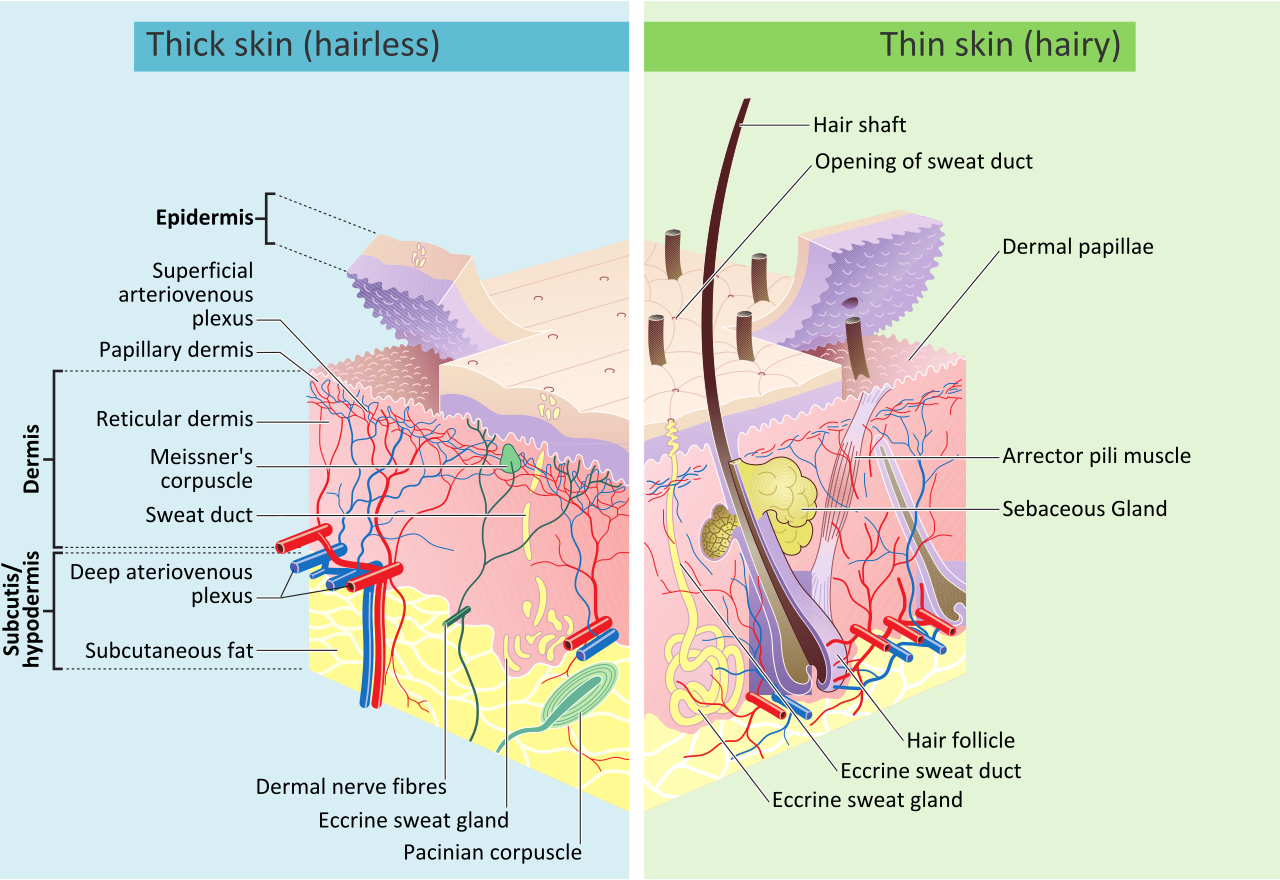
- Depth selection: interchangeable cartridges select the target layer — 1.5 mm dermis, 3.0 mm subcutaneous tissue or 4.5 mm SMAS. See SMAS layer anatomy and the comparison of macro- versus micro-focused ultrasound.
Indications and Expected Outcomes
Clinical use focuses on the following presentations; outcomes vary with age, skin quality and lifestyle:
- Lower-face laxity, blurred jawline and deepening nasolabial folds
- Brow elevation and periorbital laxity (with shallow-focus cartridges)
- Neck lines and neck laxity
- Adjunctive tightening of the abdomen and arms
The immediate sensation of tightness comes from collagen contraction and mild inflammatory oedema. Visible contour improvement typically appears progressively over 1-3 months as new collagen deposits, and results generally last about 12-18 months. HIFU is a maintenance-class anti-ageing treatment, not a surgical substitute, and any guarantee-style claims deserve caution.
HIFU versus Radiofrequency versus Fractional Laser
All three technologies heat the dermis to remodel collagen, but they differ in energy form and target depth. Clinics often deliver them as combined programmes:
| Dimension | HIFU | Radiofrequency | CO2 Fractional Laser |
|---|---|---|---|
| Energy form | Mechanical ultrasound converted to heat at a mm-scale focus | Current heats tissue along impedance paths, diffuse | 10600 nm wavelength strongly absorbed by water; epidermal vaporisation |
| Target depth | Deepest, down to SMAS (~4.5 mm) | Dermis to fat septa depending on configuration (see RF treatment depth) | Superficial-to-mid dermis (ablative) |
| Epidermal injury | None; beam path spares the epidermis | None to minimal (except microneedling RF) | Micro-crusting with ablative treatment |
| Downtime | Essentially none | None to a few hours of erythema | 3-7 days of crusting |
| Typical programme | Face lifting, jawline definition | Maintenance tightening, texture (see RF skin tightening and HIFU vs Thermage) | Acne scars, photodamage resurfacing |
Radiofrequency itself splits into monopolar, bipolar and multipolar configurations with different heating depths and comfort profiles — see monopolar RF and ablative versus non-ablative resurfacing.
Treatment Flow and Number of Sessions
- Assessment and photography: laxity grading and bony-landmark palpation to set depths and exclusion zones (clinics should define a baseline assessment standard).
- Cleansing and mapping: the treatment grid and avoidance zones are marked.
- Treatment: a full-face two-depth session (4.5 mm + 3.0/1.5 mm) usually takes 45-90 minutes with energy titrated point by point.
- Aftercare: erythema typically fades within hours; avoid high-heat environments (sauna, hot yoga) for about a week.
A single session is the standard protocol rather than a multi-session course; as an annual maintenance programme most clients repeat every 12-18 months. For course design see HIFU course planning and maintenance.
Side Effects and Contraindications
Performed correctly, HIFU has a strong safety profile, yet clinics should disclose the following:
- Common transient reactions: prickling or aching during treatment, mild redness and swelling for hours to days
- Low-probability risks: fat atrophy, local depression or temporary nerve sensitivity from excessive energy or wrong depth
- Periosteal areas (jawline, zygomatic arch, forehead) are noticeably painful and require careful energy titration — see HIFU safety considerations
Contraindications: pregnancy and lactation; open wounds, active skin infection or inflamed acne in the treatment area; recent thread lifts, fillers or implants within their recovery window; keloid-prone skin; poorly controlled systemic disease; recent facial radiotherapy.
End-Market Price Ranges
The table below lists published retail reference ranges for a single full-face, two-depth session, helping institutional buyers understand programme pricing:
| Market | Reference range per session | Notes |
|---|---|---|
| United States / Canada | $1,500-$4,000 | Ultherapy-class compliant devices dominate; physician fees included |
| Western Europe | €1,200-€3,000 | Varies by country and clinic positioning |
| China (Tier 1-2 cities) | $300-$1,100 (¥2,000-¥8,000) | Priced per lines/depths in many chains |
| Southeast Asia | $600-$2,000 | Medical-tourism hubs, often sold as packages |
These are end-market retail references only; actual prices vary with provider credentials, region, consumable versions and protocols. They describe market pricing structure, carry no price commitment, and are unrelated to LEIJEX equipment pricing.
Considering equipment sourcing? See how LEIJEX manufactures this category: HIFU machine manufacturer — factory-direct from LEIJEX.
 Leijex Medical